
December–April
This peak period offers minimal rainfall and lower humidity. Arriving at 8:00 AM helps you beat the crowds arriving from coastal resorts.
Explore the Maya-Toltec city on the Yucatán Peninsula, from the serpent pyramid to jungle-ringed cenotes.
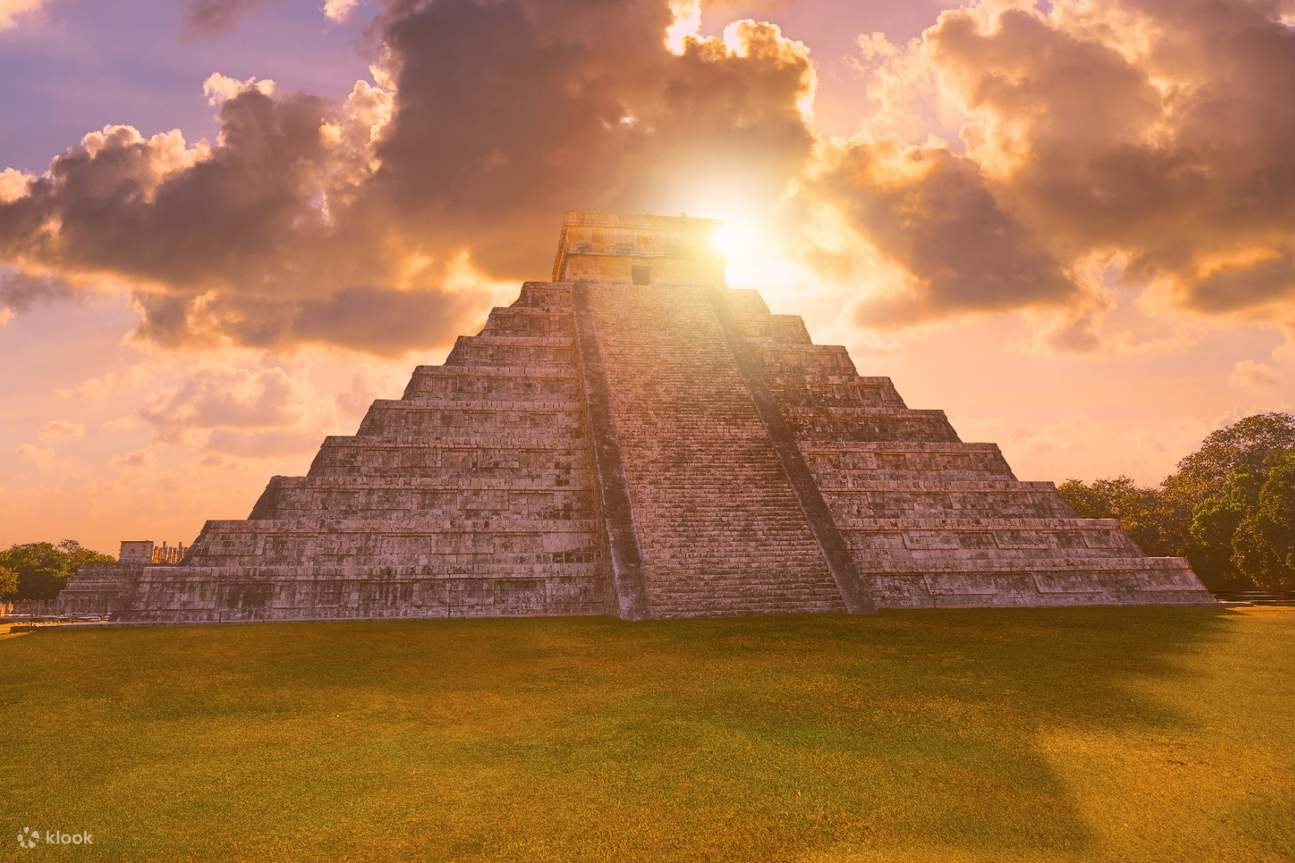
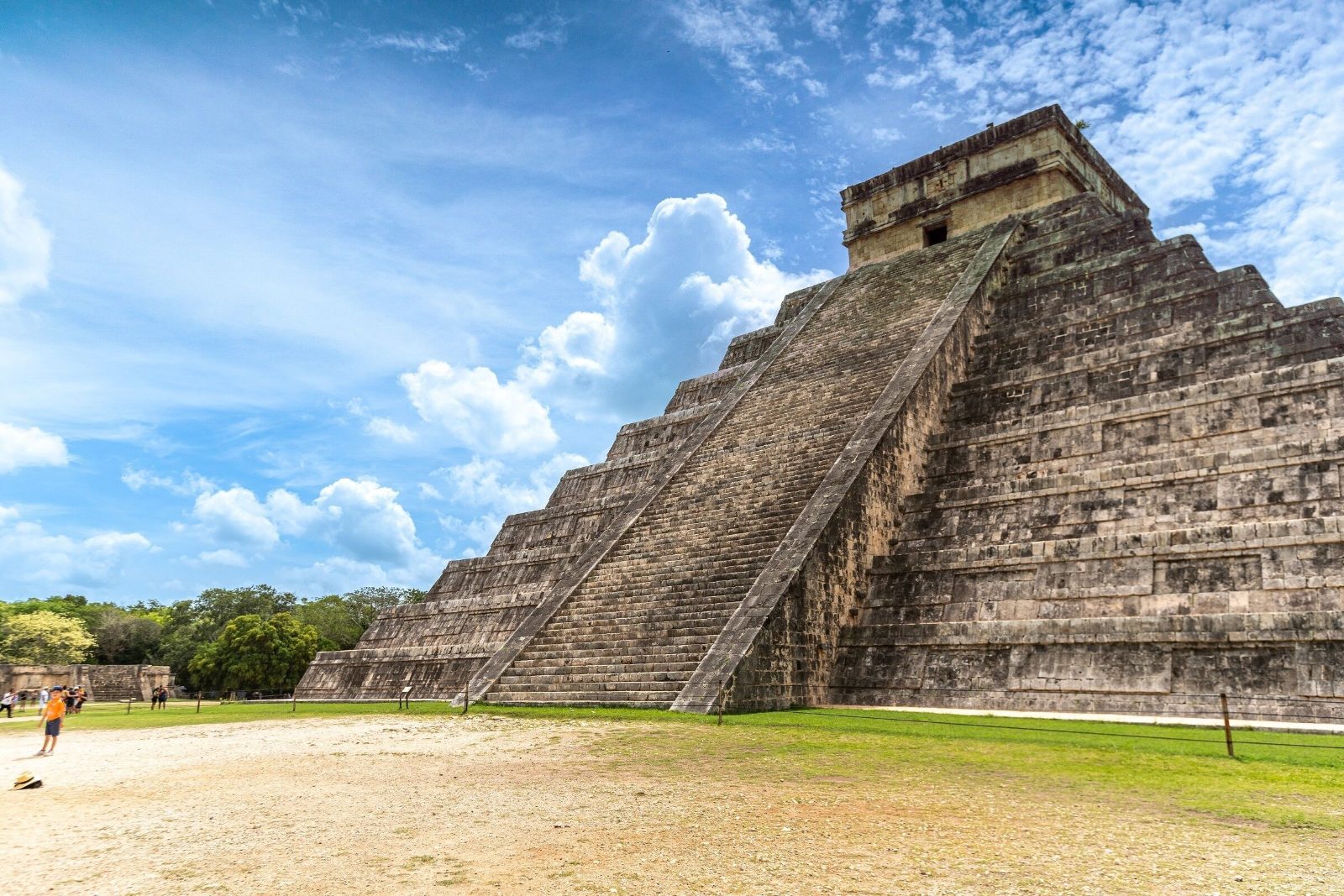
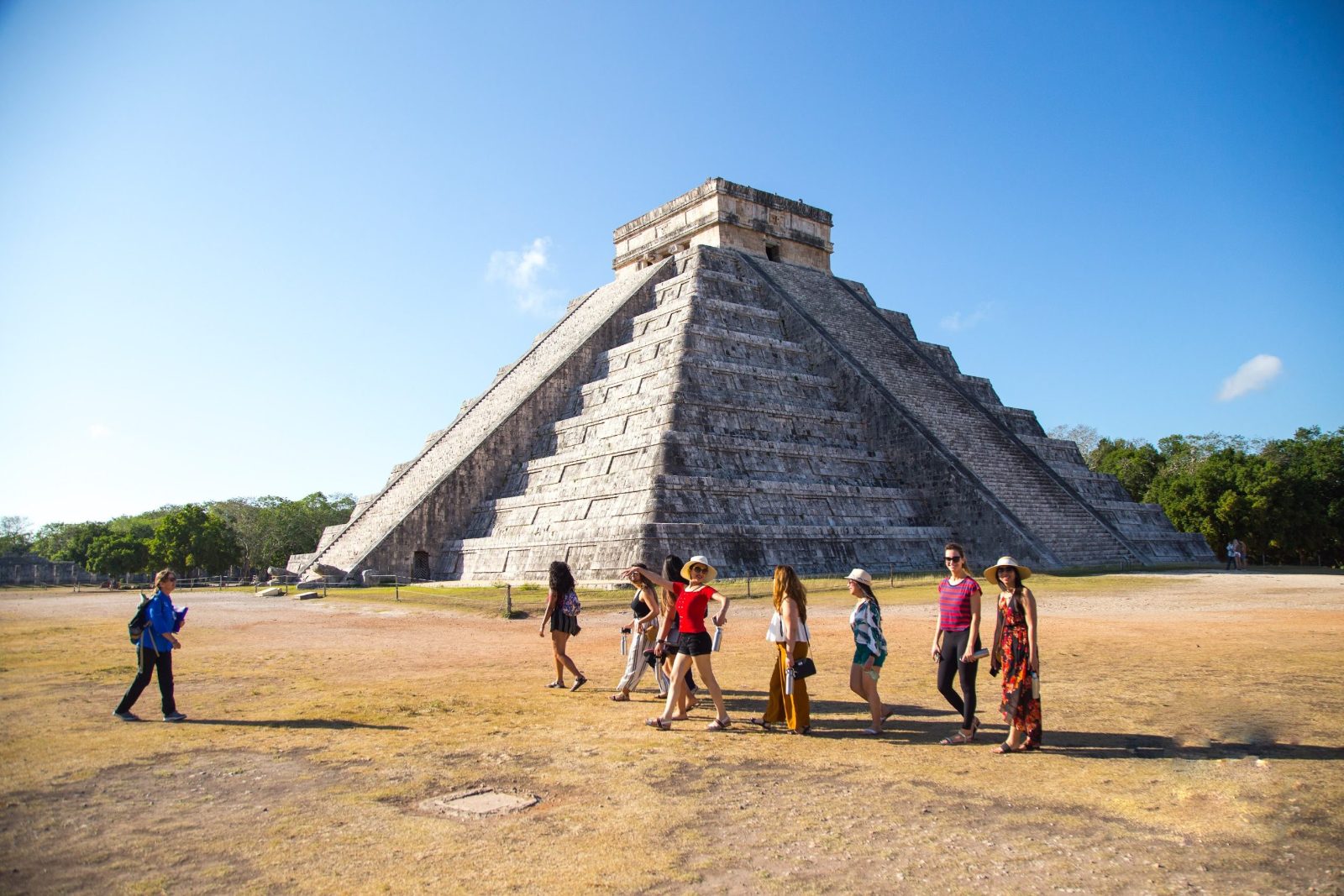
Explore AttractionsEl Castillo, the stepped pyramid at the heart of Chichén Itzá, was engineered so precisely that on each equinox a shadow-serpent appears to slide down its northern balustrade, a spectacle the Maya charted centuries before modern astronomy existed.
Travelers who reserve Chichen Itza Tickets step into that same calibrated landscape, where ninety-one steps on each of four sides plus the summit platform total the 365 days of the solar year. Little about the city was left to chance.
The site rose as a Maya-Toltec capital and grew into one of the largest political centers of the northern Yucatán Peninsula before falling quiet, its plazas swallowed by jungle for generations. What defines it today is the sheer density of standing monuments: the Temple of the Warriors with its ranks of columns, the whispering acoustics of the Great Ball Court, and the reclining chac mool figures that guard its temples. Booking Chichen Itza Tickets tickets opens the whole walled precinct within a single morning, and entradas a Chichén Itzá remain among the most requested passes in the region.
Interest naturally branches outward from the ruins. Chichen Itza Tickets tours pair the archaeological zone with the Sacred Cenote and nearby swimming cenotes, while early risers favor sunrise and early-access itineraries that reach the El Caracol observatory before the midday crowds gather. Guided formats also link the site to Cancún, Playa del Carmen, and Tulum, letting visitors along the Riviera Maya combine a single skip-the-line Chichen Itza excursion with an afternoon on the coast.
Those seeking a slower pace can arrange a private, expert-led Chichen Itza Tickets tour, while families and first-time visitors often prefer structured departures that handle the details for them. The destination rewards history readers, photographers chasing the serpent light, and anyone drawn to the Yucatán landmarks carved from pale limestone. It remains a UNESCO World Heritage site that still keeps its calendar in stone, ordering the seasons exactly as its builders intended.
“A city where ninety-one steps on each side add up to a calendar, and the shadow of a serpent still keeps the time.”
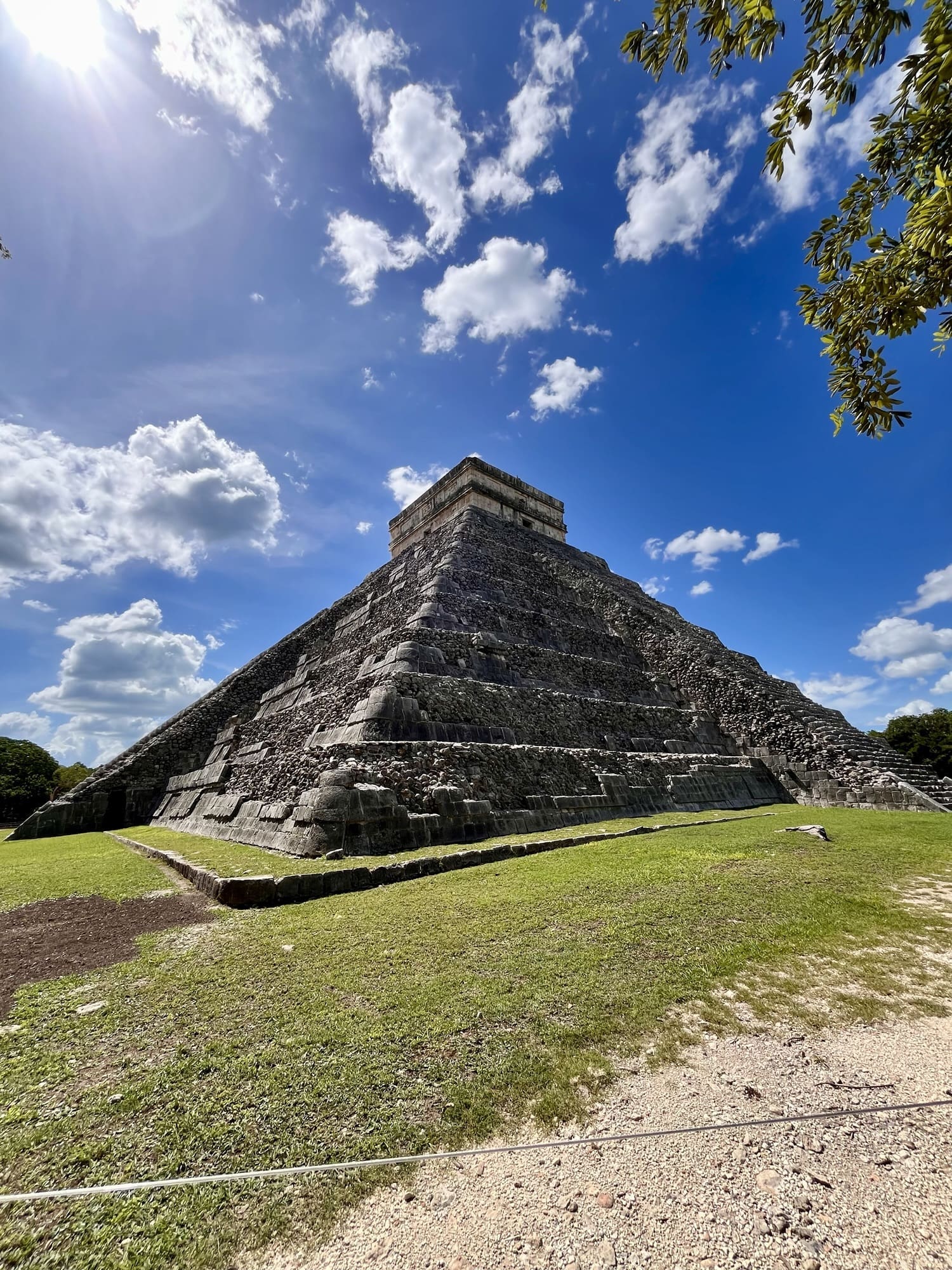
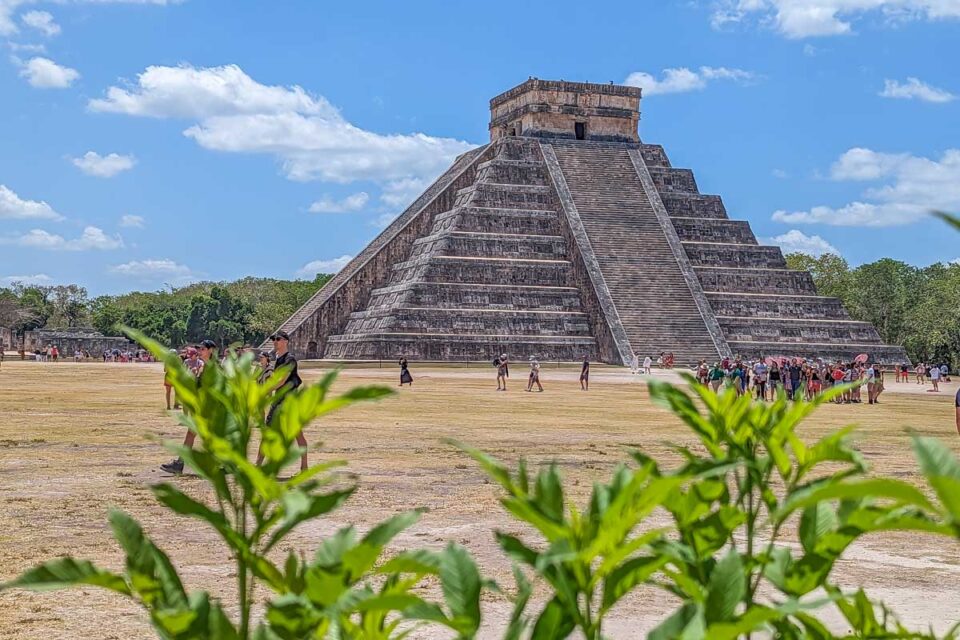
The 365-step pyramid of Kukulcán anchors the site and casts its equinox serpent shadow down the northern stairway.
The largest Mesoamerican ball court carries a whisper from end to end with startling clarity.
A vast natural sinkhole once used for Maya offerings sits a short walk north of the main pyramid.
Chichen Itza rewards visitors who plan how they arrive and how much time they spend at El Castillo. This grid sorts the tour formats this site carries, from private guides to sunrise entry to cenote pairings and long-haul day trips from the coast. Choose by where you're starting and how much crowd you're willing to share the plaza with. Each option below trades convenience against pace, so match the format to your schedule and how deep you want to go.
Day Trip
Depart the Riviera Maya for a full guided loop, trading a longer drive for a pickup point closer to the coast's southern resorts and Cozumel ferries.
Day Trip
Start inland from Tulum's beach strip, reaching the site on a route that often threads through Valladolid and a cenote stop before the ruins.
Combo Tour
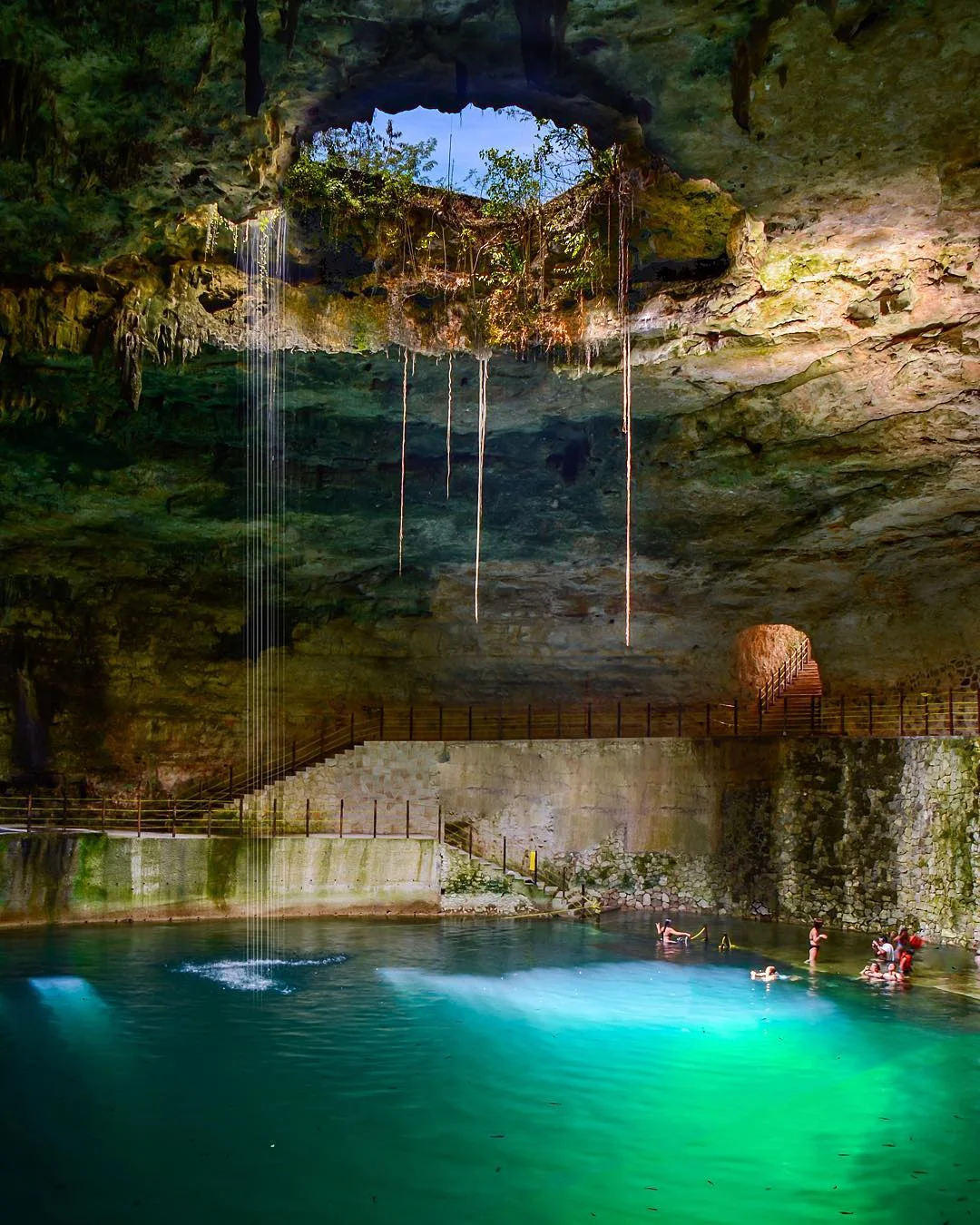
Pair the ruins with a swim in a nearby limestone sinkhole, cooling off in clear groundwater after hours walking the exposed plaza under Yucatan sun.
Sunrise Tour
Enter before the gates open to the public and photograph El Castillo in low light, walking near-empty causeways while day-trippers are still on the highway.
Day Trip
Round-trip coaches handle the long haul from the Cancun hotel zone, bundling the archaeological site with a guided walk and usually a cenote swim en route.
Private Tour
A dedicated guide sets the pace, so you linger at the ball court and Temple of Warriors while skipping the scripted group shuffle around El Castillo.
Navigating to Chichen Itza is straightforward due to well-established roads like Federal Highway 180D and the active Tren Maya railway. Drivers from Cancún or Mérida can follow Federal Highway 180D directly to the Pisté exit near the site.
The Tren Maya rail line connects the Chichén Itzá station in Pisté to regional cities such as Cancún and Mérida. From the station, passengers board the official intermodal shuttle to reach the main entrance.
ADO buses run daily scheduled routes from Cancún and Mérida directly to the ruins, with departures typically scheduled in the early morning. Alternatively, local colectivos run frequently between Valladolid and the site entrance.
Local taxis are readily available for transport between the archaeological zone and the neighboring town of Pisté. Travelers can arrange rides directly through hotel receptions or hail drivers at the main site entrance.
Once inside the archaeological park, walking is the only method to explore the various ancient plazas and temples. Comfortable footwear is necessary as the paths between the ruins are unpaved.
From the airport: From Cancún International (CUN), the transfer to center is via ADO bus, 3 hours, MXN $496. From Mérida International (MID), the transfer is via ADO bus, 2 hours, MXN $250.
The optimal window to visit is the cooler dry season from December to April, when pleasant temperatures make exploring the ruins comfortable. To experience the site without dense crowds and intense midday heat, arriving at the gates right when they open at 8:00 AM is essential.
This peak period offers minimal rainfall and lower humidity. Arriving at 8:00 AM helps you beat the crowds arriving from coastal resorts.
Afternoon downpours are common, but mornings remain clear. Visiting at 8:00 AM allows you to see the main structures before the rain.
Heavy tropical downpours are frequent, raising the risk of muddy pathways. However, this period offers the quietest ruins.
Visitors gather to watch the sun project a serpent shadow down El Castillo. The illusion is also visible a week before and after the equinox with fewer crowds.
Foreign visitors face higher entry costs than at other regional sites due to a dual-tax system split between federal INAH and state CULTUR fees. Expect to pay in cash if card readers fail, and factor in parking fees if driving.
Daily budget: A budget day trip costs around MXN $1,100 per person using public transit, while a mid-range itinerary with a private taxi and sit-down dining requires approximately MXN $1,800.
Beyond the central pyramid, the archaeological site houses quieter structures that reveal the deep astronomical and artistic skills of the Maya. Visitors can explore these architectural details away from the largest crowds by wandering into the northern and southern zones.
Known as the Observatory, this circular stone tower features a spiral staircase and stone openings aligned with astronomical events, including the cycles of Venus. Visitors can observe the unique cylindrical design which stands out from the typical square Mesoamerican geometry.
Situated at the northern end of the Great Ball Court, this small temple displays detailed bas-relief carvings, including a central figure with a prominent beard. The structure serves as an acoustic focal point, reflecting sound across the entire sporting arena.
Translating to "House of the Dark Writing" in Mayan, this ancient palace features carved glyphs on the undersides of its lintels. It dates back to the late 9th century and remains one of the oldest standing structures in the archaeological complex.
Also known as Chichanchob or the Red House, this structure retains faint traces of red paint inside its vestibule. The building contains Maya hieroglyphics that record the dates of local rituals and sits next to its own small ball court.
Meaning the Nuns' Palace, this sprawling complex shows the transition from classic Puuc design to later Maya-Toltec architectural styles. Its exterior walls showcase intricate carvings of the rain god Chaac with curved stone noses.
Choosing where to stay depends on whether you prioritize early morning access to the archaeological site, colonial ambiance, or beachside resort comfort.
This quiet town offers direct access to the ruins before tour buses arrive. It lacks nightlife and upscale dining options.
Lodgings adjacent to the park permit early entry via private access gates. Room rates are high, and dining options are confined to the resorts.
A vibrant colonial city with colorful streets, diverse dining, and cenotes. The main drawback is the early morning commute required to reach the site.
Offers beachfront resorts and extensive dining options for travelers visiting the ruins on a day trip. The commute requires a long journey each way.
The Itzá people settled this limestone plain around 600 CE, and their descendants raised El Castillo across the following centuries. The pyramid marries Maya proportion with Toltec iconography imported from Tula. Feathered serpents coil down its balustrades, echoing the cult of Kukulcan, the Yucatán form of Quetzalcoatl. Many Chichen Itza Tickets tours begin at this ninety-one-step monument, where two cultures fused into one silhouette. Precision governs the design. El Castillo's four stairways plus its summit platform total 365, one for each solar day. Twice yearly, near the March and September equinoxes, light casts a serpent of shadow that slides down the northern balustrade. The nearby Caracol observatory tracks Venus through narrow windows. Chichen Itza Tickets grant passage to this astronomical library carved in stone. The Great Ball Court carries a hieroglyphic dedication dated to 864 CE. It stretches 168 metres, the largest in Mesoamerica. Carved panels show a decapitated player, blood transformed into serpents, a ritual tied to fertility and cosmic order. A guided Chichen Itza Tickets tour lingers here, where a whisper crosses the court unbroken. Excavation revealed hidden layers. In 1935, archaeologists tunnelling into El Castillo found an inner temple holding a red jaguar throne and a reclining chacmool. The Sacred Cenote, dredged between 1904 and 1910, yielded gold, jade, and human remains offered to the rain god Chaac. Modern Chichen Itza Tickets tickets open all of this. UNESCO inscribed the site as World Heritage in 1988, and a global vote named it a New Wonder in 2007. Today the visitor still sees the serpent shadow, the towering ball court walls, and the observatory dome among the region's defining Yucatán landmarks. Chichen Itza Tickets carry you into that living record.
Itzá settlers found the city on the northern Yucatán plain.
A hieroglyphic date dedicates the Great Ball Court, the largest in Mesoamerica.
El Castillo rises, fusing Maya geometry with Toltec serpent imagery.
Edward Thompson begins dredging the Sacred Cenote for buried offerings.
Excavators uncover the inner temple holding a red jaguar throne and a chacmool.
UNESCO inscribes Chichen Itza as a World Heritage Site.
A global vote names it one of the New Seven Wonders.
Chichen Itza features magnificent Mayan ruins, including the iconic El Castillo pyramid (Temple of Kukulcan), ancient ball courts, sacred cenotes (natural sinkholes), and incredible archaeological complexes.
Start with the main archaeological zone to see the essential pyramids and temples. If you want to relax after exploring, prioritize visiting nearby cenotes like Ik Kil. History buffs should book a guided tour to fully understand the intricate details of the site.
The best time to visit is early in the morning right when the gates open at 8:00 AM, or late in the afternoon. This helps you beat the intense midday heat and allows you to explore before the massive tour buses arrive.
It is highly recommended to book your skip-the-line tickets and guided tours online in advance. This saves you from standing in the notoriously long queues at the entrance under the hot sun.
Yes, the main archaeological site is excellent for families. The central areas around El Castillo and the Great Ball Court are mostly flat and wheelchair accessible, though some of the unpaved outer trails can be uneven.
Inside the archaeological zone, you will explore on foot. To reach nearby attractions like Cenote Ik Kil or the colonial town of Valladolid, you can easily catch a local taxi or hop on a 'colectivo' (shared van) right outside the main entrance.
Yes, many visitors purchase combination passes or full-day tours that include fast-track entry to the ruins, a guided historical tour, access to a nearby cenote for swimming, and a traditional Yucatecan lunch.
To avoid the thickest crowds, plan your visit for a Tuesday or Wednesday and arrive right at opening time. Avoid Sundays if possible, as admission is free for Mexican citizens and residents, making it the busiest day of the week.
Choose from amazing attractions and create unforgettable memories in this beautiful city
Book Your Experience Now